AI Isn’t Just Predicting the Future, It’s Saving Our Past (And You Won’t Believe How!)
You don’t need to be a tech expert to enjoy this!
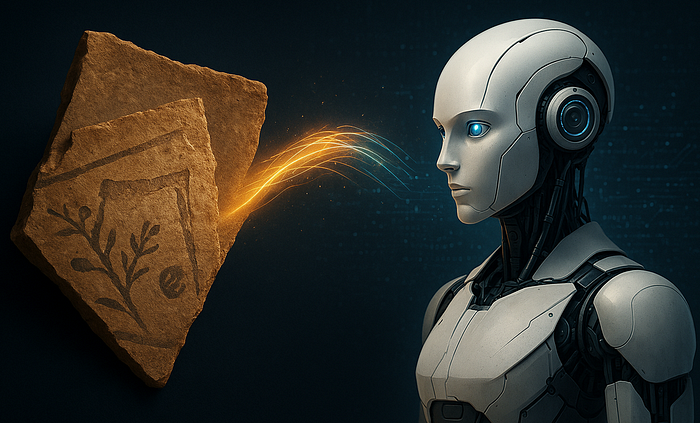
AI isn’t just looking forward; it’s helping us unlock the secrets held within our past. Image generated by Sora.
Think AI is just about self-driving cars and chatbots? Think again. What if I told you the same technology making headlines is also working quietly behind the scenes… to save ancient history and preserve priceless culture? It sounds wild, but it’s happening.
We all know the feeling — seeing beautiful old crafts disappear, hearing about historical sites damaged, or knowing ancient texts remain unread. It often feels like we’re losing pieces of our shared human story every day. But here’s the twist: AI is stepping in as an unexpected ally.
Forget the usual tech talk. Let’s explore some genuinely fascinating ways AI is lending a hand — helping us connect with, preserve, and understand our past in ways we never thought possible. Ready to see a different side of AI?
1. AI as a Digital Apprentice: Keeping Ancient Crafts Alive
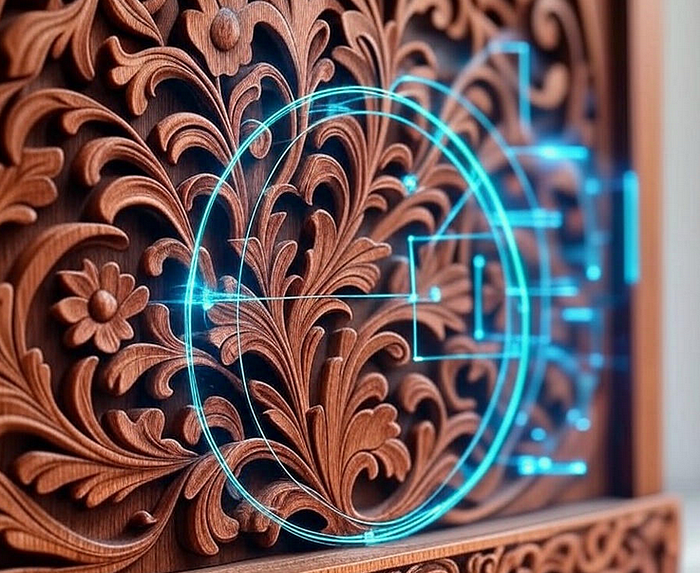
Learning from the masters: AI analyzes intricate craft patterns to help preserve traditional skills for future generations. Image generated by Sora.
Isn’t it incredible to see intricate handmade lace, pottery, or weaving? Sadly, many of these skills, passed down for generations, are fading. But AI offers a helping hand:
- Learning from Fragments: Using image recognition, AI can study photos or even tiny scraps of old crafts to learn complex patterns and techniques.
- Digital Blueprints: This knowledge can create detailed instructions or even guide robotic arms assisting artisans, potentially speeding up parts of the process.
- Virtual Training: AI can power VR simulations to help new learners practice ancient skills in a safe, accessible way.
For example, projects are already using generative AI to help document and preserve the unique techniques of traditional Cantonese porcelain, aiming to significantly reduce the time and effort needed for this intricate work ( Source: PolyU Research ). It’s technology supporting tradition, not replacing it. Doesn’t that offer a hopeful perspective on preserving these skills?
2. AI as a Time-Traveling Research Assistant: Making History Tangible
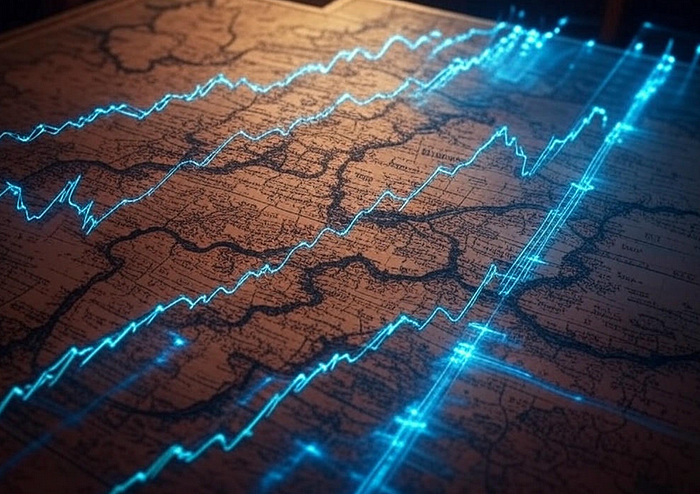
Uncovering hidden patterns: AI analyzes historical data, offering new perspectives on the past. Image generated by Sora.
History locked in textbooks can feel distant. How can we make it feel real?
- Uncovering Details: AI analyzes vast historical data (texts, maps, records) to find subtle details about past lives that might otherwise be missed.
- Authentic Storytelling: For writers, AI tools can assist in crafting more believable dialogue or descriptions for historical fiction, based on patterns in old texts ( Source: The History Quill ).
- Modeling the Past: For historians, AI processes information at scale, identifying hidden connections or modeling complex events (like simulating the spread of ideas in ancient Rome).
AI offers powerful new lenses to view and interpret the past, making it more vibrant for everyone. Have you ever wished you could step back in time? Maybe AI can help us get a little closer.
3. AI as the Urban Art Curator: Saving Fleeting Creativity
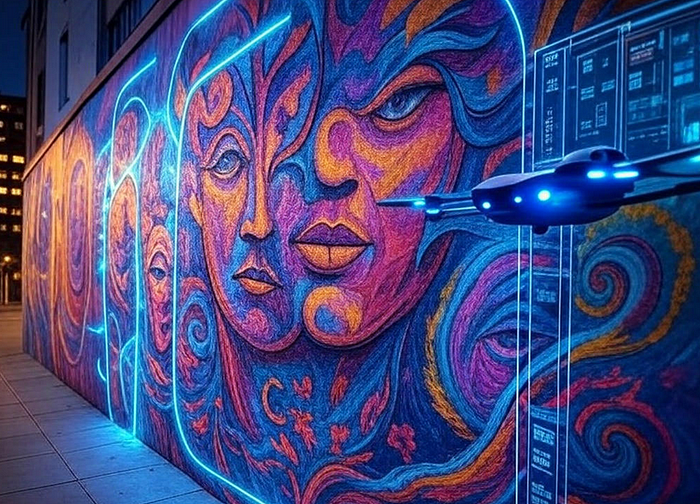
Capturing creativity before it fades: AI helps digitally archive dynamic street art. Image generated by Sora
Street art is dynamic, but often temporary. How do we capture it before it disappears?
- Digital Mapping: Using image recognition on photos or drone footage, AI can identify, locate, and sometimes even recognize the style of new street art.
- Virtual Museums: AI helps build constantly updated digital archives, preserving this vibrant art form long after the paint fades ( Source: Smithsonian Magazine ).
It’s a modern way to appreciate and document art that lives outside gallery walls. What piece of local street art would you love to see preserved forever?
4. AI as the Ancient Codebreaker: Unlocking Lost Knowledge
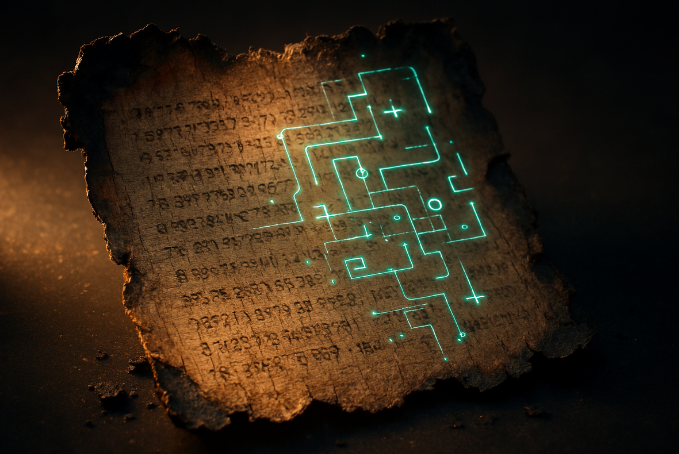
Reading between the lines of history: AI algorithms work to reconstruct and understand damaged ancient scrolls. Image generated by Sora.
Reading a 2,000-year-old damaged scroll seems impossible, right? AI is proving to be a remarkable helper:
- Deciphering Damage: By learning known languages and scripts, AI suggests missing letters or words in ancient texts.
- Analyzing Handwriting: It can help identify unknown authors by analyzing writing styles across documents.
- Connecting the Dots: AI sifts through massive digital libraries, finding links between texts, people, or events that humans might miss.
A stunning example? The Vesuvius Challenge successfully used AI to read the first passages (around 5%) from ancient Herculaneum scrolls burnt nearly 2,000 years ago ( Source: Nature ). The next goal? To decipher 90% of the available scrolls! It’s like giving researchers superpowers to unlock knowledge hidden for millennia. Imagine the secrets those scrolls might hold!
Why This ‘Quiet’ Side of AI Matters
Seeing AI used this way — preserving crafts, illuminating history, archiving art, deciphering texts — shows a different side to the technology. It’s becoming a powerful tool for cultural memory and understanding.
These applications feel more human-centric. Instead of just focusing on efficiency or futuristic fears, we see AI helping cherish the very things that define our cultures and connect us to our past.
Of course, the rise of AI, especially in creative fields, brings valid concerns about copyright, authenticity, and livelihoods. These are crucial conversations we must have. But the examples here highlight a different facet: AI as a partner in preservation, working alongside us to safeguard our shared heritage.
Isn’t it fascinating how this logical, data-driven tool can help protect the deeply human aspects of our world?
Wrapping Up: AI, Our Past, and Our Future
So, AI is definitely more than the usual headlines suggest. It’s already making surprising, positive contributions to preserving our history and cultural identity.
Naturally, AI’s story is still unfolding, bringing both amazing opportunities and complex challenges we need to navigate thoughtfully. But seeing it used to cherish our collective past offers a hopeful glimpse — maybe we can guide technology towards not just efficiency, but also towards meaning and connection.
What do you think?
- Did these examples surprise you?
- Know other cool ways AI is intersecting with arts, history, or culture?
Share your thoughts in the comments below — I’d genuinely love to hear them!
And if you found this interesting, please consider following for more explorations into the surprising ways technology is shaping our world. Sharing this article also helps others discover this unique perspective! Thank you for reading!